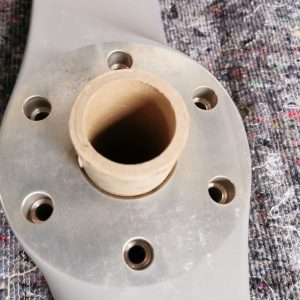
New, Never Installed should be evaluated through its data plate, serial number, dimensions, hub, mounting arrangement, storage condition, documentation, and approved aircraft-and-engine applicability.
A Sensenich Propeller P/N 74DM6-0-60 may also be advertised as a Sensenich 74DM6 Propeller or 74DM6-0-60 Aircraft Propeller when every model character, suffix, serial marking, and alteration detail is stated accurately.
Whether described as a Sensenich Fixed-Pitch Propeller, Sensenich Aluminum Propeller, Fixed-Pitch Aluminum Propeller, or Aluminum Aircraft Propeller, the individual unit should receive professional inspection before installation.
Whether buyers require a 74-Inch Aircraft Propeller, 60-Inch Pitch Propeller, Lycoming O-320 Propeller, or General Aviation Propeller, aircraft-specific applicability remains essential.
Clear terminology supports both search performance and responsible aviation-product presentation.
Confirming the Exact Aircraft Propeller
The complete propeller designation should be verified through the manufacturer data plate, hub markings, blade markings, serial number, original records, packaging labels, photographs, and available Sensenich technical information.
The buyer should determine whether the propeller remains in its original manufactured configuration or has undergone any pitch adjustment, diameter reduction, refinishing, inspection, trial fitting, repair, or alteration.
Verifying Condition Before Installation
The seller should disclose the purchase date, ownership history, storage environment, packaging condition, and any previous trial fitting.
New, Never Installed.
Understanding Fixed Blade Geometry
Correct matching protects the engine, propeller, and aircraft from unsuitable loading or operation.
Incorrect dimensions can produce operational concerns even when the propeller fits physically on the flange.
Evaluating Blade and Hub Condition
Professional inspection helps preserve the long-term value of the Sensenich Aluminum Propeller.
Identification markings should remain legible and protected during handling.
Measuring the 74DM6 Propeller
Any authorized diameter reduction should appear in the propeller markings and maintenance records.
Professional measurement supports the responsible use of the 74-Inch Aircraft Propeller.
Verifying the 74DM6-0-60 Pitch
Actual aircraft performance also depends on aerodynamic slip, weight, altitude, temperature, engine condition, and airframe design.
A never-installed propeller should still be reviewed for shipping distortion, impact, or manufacturing-record consistency.
Lycoming O-320 Propeller Compatibility
Compatibility depends on the exact aircraft model, serial range, engine designation, propeller approval, hub, bolt pattern, diameter, pitch, and operating limitations.
Aircraft modifications, engine conversions, supplemental approvals, spinner changes, cowling alterations, and landing-gear configurations may influence propeller eligibility or clearance.
Protecting the Matched Two-Blade Design
Blade comparison should include the faces, backs, roots, leading edges, trailing edges, tips, and hub transitions.
Careful handling preserves the Two-Blade Aircraft Propeller assembly.
Preparing the Replacement Aircraft Propeller
Mounting holes should remain free from corrosion, damaged edges, contamination, improper machining, click here impact marks, and unexplained installation impressions.
Professional hardware selection protects the engine and Replacement Aircraft Propeller.
Leading-Edge and Blade-Surface Inspection
Professional evaluation protects the Sensenich Aircraft Propeller from unsuitable installation.
Detailed surface review helps support the claimed new condition.
Maintaining the Factory Finish
Complete corrosion evaluation supports responsible purchasing.
Protective covers should prevent contamination and impact without encouraging condensation around the aluminum.
Understanding Approved Propeller Design
The buyer should confirm the data plate, serial number, production information, conformity records, release documents, and exact approved aircraft application.
A certified-design propeller can still require inspection after prolonged storage, transportation, environmental exposure, or handling.
Maintaining Aircraft Propeller History
The serial number should match every manufacturer record, inspection tag, shipping document, and release certificate.
Documentation associated with a planned aircraft installation does not independently approve another aircraft application.
Aircraft Propeller Condition Review
The seller should provide photographs of both sides of each blade, leading edges, trailing edges, tips, hub, mounting holes, data plate, packaging, and any damaged areas.
- Determine whether factory paperwork, release documents, mounting hardware, spacers, spinner components, protective covers, and shipping materials are included.
- Do not treat original packaging, clean paint, new wording, or never-installed status as proof of present serviceability.
- Require packaging that protects the blades, tips, edges, hub, data plate, mounting face, bolt holes, factory finish, records, and included hardware from impact, abrasion, moisture, and movement.
Shipping the Sensenich Propeller
Moisture-resistant wrapping may be appropriate when it does not trap condensation against the aluminum.
Loose hardware, records, spinner components, and accessories should be wrapped, labeled, and secured separately.
Storing the 74DM6-0-60 Propeller
Protective materials should prevent contamination without trapping moisture.
The unit should not be stored directly on damp concrete, exposed ground, unstable shelving, or areas vulnerable to roof leaks.
Completing the Propeller and Spinner Assembly
The technician should verify the complete model, serial number, diameter, pitch, hub, flange, bolt pattern, spacer arrangement, mounting hardware, torque procedure, and installation eligibility.
Disciplined installation supports dependable Two-Blade Aircraft Propeller operation.
Initial ground operation should monitor vibration, RPM, unusual noise, mounting security, spinner behavior, and other abnormal indications.
Caring for the Fixed-Pitch Aluminum Propeller
Consistent maintenance protects the Sensenich Fixed-Pitch Propeller.
The propeller should receive additional inspection after a suspected strike, sudden engine stoppage, overspeed, severe vibration, loose installation, lightning-related concern, or transportation impact.
Commercial Value of a New Sensenich Propeller
A recent professional inspection may add value when the scope, measurements, findings, and documentation are described accurately.
Availability of qualified maintenance support and approved installation data can influence long-term ownership value.
Selecting a General Aviation Replacement Propeller
New, Never Installed can become a valuable general aviation propeller.
The strongest purchasing decision begins with confirming the full model designation, serial number, manufacturing details, 74-inch diameter, 60-inch pitch, blade count, hub, bolt pattern, aircraft applicability, engine compatibility, storage history, physical condition, and documentation.
Whether the propeller is purchased for replacement, restoration, new construction, spare inventory, resale, or an aircraft project, transparent information and qualified oversight provide the strongest foundation.
With prompt attention to scratches, coating damage, corrosion, vibration, loose hardware, spinner concerns, impact events, and environmental exposure, the installation can preserve its operating potential.